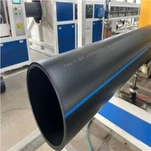
: One of the key advantages of PPR pipes is their excellent resistance to high temperatures. They can withstand hot water temperatures up to 95 degree (203 degree F) without any significant deformation or deterioration. This property makes them ideal for use in both hot and cold water supply systems and even in hydronic heating systems.
Leak-Free Joints: PPR pipes are joined using heat fusion welding, which creates a seamless and leak-free connection. The joints are as strong as the pipe itself, eliminating the risk of leaks and ensuring a reliable plumbing system. This is especially crucial in applications where water leakage can lead to significant damage.
Hygienic and Non-Toxic: PPR is a non-toxic material that does not release harmful substances into the water, ensuring the delivery of safe and clean drinking water. It also resists bacterial growth, maintaining the hygiene of the plumbing system.
Cost-Effective: While PPR pipes may have a slightly higher upfront cost compared to some other materials, their long-term benefits, including reduced maintenance and replacement costs, make them a cost-effective choice over the life of the system.
In conclusion, PPR pipes offer numerous advantages that make them a top choice for plumbing and water supply systems in the construction industry. Their resistance to high temperatures, corrosion, and chemicals, along with their smooth interior surface and leak-free joints, ensures reliable and long-lasting performance. Additionally, their lightweight nature, ease of installation, and environmental benefits further solidify their position as a superior piping material for modern construction projects. As technology and materials continue to advance, PPR pipes are likely to remain a preferred option for plumbing systems in the years to come.